Baler twine is an indispensable agricultural product that supports the efficiency and reliability of hay and straw baling operations across Australia. As farming continues to modernise and adapt to Australia’s diverse climatic conditions and regional agricultural practices, the quality, durability, and innovation behind baler twine have grown increasingly important. This article explores the current role of baler twine in Australian agriculture, its evolving technology, and practical considerations for choosing the right product to enhance on-farm productivity.
Understanding the Role of Baler Twine in Agriculture
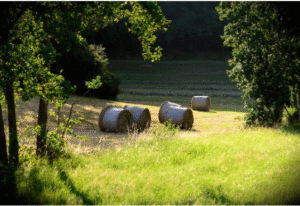 Baler twine is a strong, lightweight cord made predominantly from polypropylene or other synthetic fibres, used to bind and secure hay, straw, or silage into compact bales. In Australia, where large-scale livestock farming is prevalent, particularly in regions such as New South Wales, Victoria, and Queensland, bale twine plays a critical role in maintaining the integrity of feed storage and transportation.
Unlike traditional methods of manually stacking or storing loose fodder, modern baling supported by baler twine, enables farmers to manage large volumes of hay efficiently. It facilitates easier handling, reduces spoilage, and promotes more effective feed management during dry seasons or drought periods, which are common in parts of Australia.
Types of Baler Twine and Their Applications
Australia’s agricultural sector utilises a wide range of baler twine products, with variations designed to match specific baling equipment and crop types. Some of the most commonly used types include:
- Small Square Baler Twine: Ideal for traditional square balers used on smaller farms or for niche applications.
- Round Baler Twine: Used in round balers, which are popular for producing larger, cylindrical bales often used in dairy and beef operations.
- Big Square Baler Twine: Designed for high-density baling machines producing large square bales, often used in broadacre operations and for export hay.
Farmers must consider factors like knot strength, length per spool, UV resistance, and elongation when selecting the appropriate baler twine. In Australia, UV resistance is significant due to the country’s high sun exposure, which can degrade inferior twines left exposed in the field.
Technological Advancements in Baler Twine
Over the past decade, manufacturers have made significant advancements in baler twine technology, enhancing both the strength and sustainability of the product. Many baler twine products in Australia are now manufactured using high-quality virgin polymers, which deliver consistent performance across thousands of bales.
Moreover, several companies are developing eco-friendly baler twine solutions. These products are either fully recyclable or manufactured using biodegradable materials that align with sustainable agricultural practices. With Australia’s increasing focus on reducing plastic waste in farming, these innovations are gaining traction among environmentally conscious producers.
Key Benefits of High-Quality Baler Twine
Choosing high-quality baler twine offers several distinct advantages that contribute to overall farm efficiency:
- Consistent Knot Performance: A uniform twine diameter ensures reliable knotting, reducing machine downtime and bale failure.
- Reduced Breakage Rates: Stronger twine minimises breakage during the baling process and while handling or transporting bales.
- Time and Cost Savings: Less time spent on maintenance and re-baling translates to reduced labour costs and increased productivity.
- Weather Resistance: UV-resistant twine ensures long-lasting durability even when bales are stored outdoors for extended periods.
These benefits are particularly significant in large-scale Australian operations, where machinery downtime and material failure can significantly impact harvest timelines and feed availability.
Australian Conditions and Baler Twine Requirements
Australia’s climate ranges from temperate and coastal to arid and tropical. These varying conditions necessitate region-specific baler twine solutions. For instance, in northern Australia, where high humidity and rainfall can be a concern, twine must be moisture-resistant to avoid weakening. Conversely, in southern inland areas with intense sun exposure, UV stabilisation is essential to prevent rapid degradation.
Conclusion:
Baler twine remains a foundational product for Australian agriculture, quietly underpinning the efficiency and success of hay and silage production nationwide. With a growing focus on sustainability, technology, and climate adaptation, today’s baler twine must be strong, reliable, and suited to a wide array of environmental conditions.
For farmers seeking to streamline their operations, investing in high-quality, purpose-fit baler twine is a wise and future-ready decision. As the sector continues to innovate, baler twine will remain a critical component of modern, efficient, and sustainable farming in Australia.