Net replacement film has become a crucial innovation in modern silage wrapping practices, offering significant improvements in bale quality, wrapping efficiency, and overall operational performance. As more Australian farmers turn to digital solutions for their agricultural needs, buying net replacement film online has never been more accessible—or more critical. However, the wide range of products available can make choosing the right film a complex task. This article offers a clear, confident guide to help you understand what to look for when purchasing net replacement film online in Australia.
Understanding Net Replacement Film: What It Is and Why It Matters
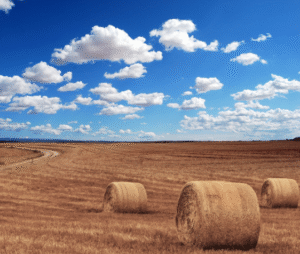 Net replacement film (NRF) is a highly advanced alternative to traditional net wrap used in silage bale wrapping. Unlike net wrap, which requires a separate film layer for sealing, NRF allows both containment and sealing in one streamlined process. It forms a protective barrier around the bale and integrates seamlessly with stretch film for airtight sealing—enhancing silage quality and reducing spoilage.
The key advantages of using net replacement film include:
- Improved oxygen barrier, reducing spoilage and fermentation loss
- Faster wrapping speeds, minimising time spent in the paddock
- Easier unwrapping, with fewer materials to dispose of
- Increased bale density and uniformity, improving storage and stacking
With these benefits in mind, it’s clear why more Australian farms are switching to NRF—and why knowing how to choose the right one online is essential.
Why Buy Net Replacement Film Online in Australia?
Purchasing net replacement film online offers convenience, competitive pricing, and access to a broader product range. Online platforms often provide detailed product specifications, expert advice, and user reviews to support informed decision-making. Additionally, many Australian suppliers now offer fast delivery, technical support, and bulk discounts through their digital stores, making it easier than ever to maintain a consistent supply.
When buying online, you also gain the ability to:
- Compare multiple brands with side-by-side specifications
- Order on demand, reducing on-farm storage needs
- Track availability, ensuring you can restock during peak wrapping seasons
- Access seasonal promotions that are not always available in-store
But with these benefits comes the responsibility to vet products carefully before committing to a purchase.
Key Features to Look for in Quality Net Replacement Film
To ensure efficiency and silage preservation, selecting a premium product is essential. Here are the most critical factors to assess when browsing net replacement film online:
Film Strength and Tear Resistance
High-quality NRF should provide strong puncture resistance to prevent damage during handling and storage. Look for multi-layered films with reinforced polymer blends that perform well even under high pressure and in harsh conditions.
Compatibility with Wrapping Machinery
Ensure the film is compatible with your existing bale wrappers. Most manufacturers will list compatibility with specific machines or provide guidelines for universal fit. Misaligned dimensions or core sizes can lead to inefficient wrapping or equipment damage.
UV Protection
Australia’s harsh sun can degrade lower-quality films. Choose a film with sufficient UV stabilisation, especially if bales are stored outdoors. UV-protected NRF will retain strength and elasticity over extended periods, reducing waste and maintaining bale integrity.
Roll Length and Width
Rolls typically range from 1280mm to 1400mm in width, and between 1000 mm and 2000 mm in length. Longer rolls reduce the frequency of changeovers and improve wrapping productivity. Choose the length and width that aligns best with your operation’s scale and output.
Environmental Considerations
Many modern NRF products are fully recyclable and designed with sustainability in mind. If environmental impact is a concern, look for options with minimal plastic usage or recycled content without compromising performance.
Trusted Australian Brands and Suppliers
Several reputable Australian suppliers offer quality net replacement film online. Brands such as Triowrap, Tama, and Coveris are known for consistent performance and have established distribution networks across the country. When selecting a supplier, consider the following:
- Customer service reputation
- Delivery turnaround times
- Warranty or satisfaction guarantees
- Post-sale support for application advice or troubleshooting
It’s also helpful to check if the supplier offers field trial samples, which allow you to test the film before making bulk purchases.
Conclusion:
Choosing the right net replacement film online isn’t just about convenience—it’s about safeguarding your silage quality, protecting your investment, and improving your operational efficiency. By focusing on strength, UV stability, compatibility, and brand reputation, Australian farmers can confidently transition to more innovative wrapping solutions.
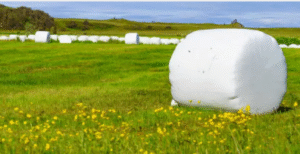 Silage plastic is a specially designed film used to wrap or
 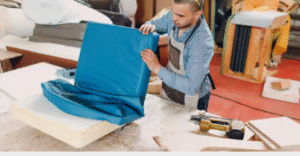 Upholstery is much more than simply covering furniture with fabric or leather. It is a specialised craft requiring extensive knowledge of materials, construction techniques, and aesthetics. Skilled upholsterers in Adelaide combine these elements to restore and create furniture that is both functional and beautiful.
 Adelaide’s climate can be unforgiving—hot, dry summers and the occasional chilly winter call for window treatments that are not only aesthetically pleasing but also highly functional. Faux wood plantation shutters offer exceptional insulation, light control, and moisture resistance, making them an ideal solution for Adelaide’s varied conditions.
 Energy-efficient display homes are purpose-built model houses that reflect the best practices in sustainable construction and energy conservation. They serve as both a showcase and a live example of how homes can be constructed to minimise environmental impact while maximising comfort and efficiency.
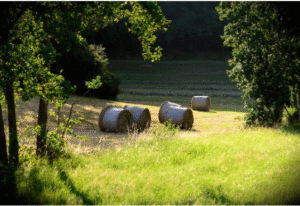 Baler twine is a strong, lightweight cord made predominantly from polypropylene or other synthetic fibres, used to bind and secure hay, straw, or silage into compact bales. In Australia, where large-scale livestock farming is prevalent, particularly in regions such as New South Wales, Victoria, and Queensland, bale twine plays a critical role in maintaining the integrity of feed storage and transportation.
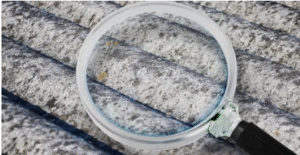 Asbestos was commonly used in construction materials in Australia until the late 1980s, primarily for insulation, roofing, cladding, and vinyl floor tiles. Although its use has been banned, thousands of properties across Adelaide still contain legacy asbestos materials. The danger arises when these materials are disturbed — releasing microscopic asbestos fibres into the air that, when inhaled, can lead to severe health conditions like mesothelioma, asbestosis, and lung cancer.
 Your roof is more than just a structural necessity—it’s a long-term investment in your property’s safety, comfort, and value. Engaging expert roofing services in Adelaide ensures that your roof is properly installed or repaired using the highest-quality materials, up-to-date techniques, and local building standards.
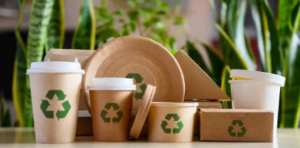 Plant-based packaging is a sustainable alternative to traditional plastic bags. It is biodegradable and compostable, reducing the world’s dependence on fossil fuels and GHG emissions. It also reduces the amount of waste in landfills and oceans. It can be made from various renewable biological sources, including cellulose film packaging, corn starch, potato films, and seaweed.