Posted on

Net Replacement Film: A Guide to Choosing the Right Product for Efficient Silage Wrapping

Net replacement film has become a crucial innovation in modern silage wrapping practices, offering significant improvements in bale quality, wrapping efficiency, and overall operational performance. As more Australian farmers turn to digital solutions for their agricultural needs, buying net replacement film online has never been more accessible—or more critical. However, the wide range of products available can make choosing the right film a complex task. This article offers a clear, confident guide to help you understand what to look for when purchasing net replacement film online in Australia.

Understanding Net Replacement Film: What It Is and Why It Matters

net replacement film onlineNet replacement film (NRF) is a highly advanced alternative to traditional net wrap used in silage bale wrapping. Unlike net wrap, which requires a separate film layer for sealing, NRF allows both containment and sealing in one streamlined process. It forms a protective barrier around the bale and integrates seamlessly with stretch film for airtight sealing—enhancing silage quality and reducing spoilage.

The key advantages of using net replacement film include:

  • Improved oxygen barrier, reducing spoilage and fermentation loss
  • Faster wrapping speeds, minimising time spent in the paddock
  • Easier unwrapping, with fewer materials to dispose of
  • Increased bale density and uniformity, improving storage and stacking

With these benefits in mind, it’s clear why more Australian farms are switching to NRF—and why knowing how to choose the right one online is essential.

Why Buy Net Replacement Film Online in Australia?

Purchasing net replacement film online offers convenience, competitive pricing, and access to a broader product range. Online platforms often provide detailed product specifications, expert advice, and user reviews to support informed decision-making. Additionally, many Australian suppliers now offer fast delivery, technical support, and bulk discounts through their digital stores, making it easier than ever to maintain a consistent supply.

When buying online, you also gain the ability to:

  • Compare multiple brands with side-by-side specifications
  • Order on demand, reducing on-farm storage needs
  • Track availability, ensuring you can restock during peak wrapping seasons
  • Access seasonal promotions that are not always available in-store

But with these benefits comes the responsibility to vet products carefully before committing to a purchase.

Key Features to Look for in Quality Net Replacement Film

To ensure efficiency and silage preservation, selecting a premium product is essential. Here are the most critical factors to assess when browsing net replacement film online:

Film Strength and Tear Resistance

High-quality NRF should provide strong puncture resistance to prevent damage during handling and storage. Look for multi-layered films with reinforced polymer blends that perform well even under high pressure and in harsh conditions.

Compatibility with Wrapping Machinery

Ensure the film is compatible with your existing bale wrappers. Most manufacturers will list compatibility with specific machines or provide guidelines for universal fit. Misaligned dimensions or core sizes can lead to inefficient wrapping or equipment damage.

UV Protection

Australia’s harsh sun can degrade lower-quality films. Choose a film with sufficient UV stabilisation, especially if bales are stored outdoors. UV-protected NRF will retain strength and elasticity over extended periods, reducing waste and maintaining bale integrity.

Roll Length and Width

Rolls typically range from 1280mm to 1400mm in width, and between 1000 mm and 2000 mm in length. Longer rolls reduce the frequency of changeovers and improve wrapping productivity. Choose the length and width that aligns best with your operation’s scale and output.

Environmental Considerations

Many modern NRF products are fully recyclable and designed with sustainability in mind. If environmental impact is a concern, look for options with minimal plastic usage or recycled content without compromising performance.

Trusted Australian Brands and Suppliers

Several reputable Australian suppliers offer quality net replacement film online. Brands such as Triowrap, Tama, and Coveris are known for consistent performance and have established distribution networks across the country. When selecting a supplier, consider the following:

  • Customer service reputation
  • Delivery turnaround times
  • Warranty or satisfaction guarantees
  • Post-sale support for application advice or troubleshooting

It’s also helpful to check if the supplier offers field trial samples, which allow you to test the film before making bulk purchases.

Conclusion:

Choosing the right net replacement film online isn’t just about convenience—it’s about safeguarding your silage quality, protecting your investment, and improving your operational efficiency. By focusing on strength, UV stability, compatibility, and brand reputation, Australian farmers can confidently transition to more innovative wrapping solutions.
Posted on

Silage Plastic: Why Choosing Durable Silage Plastic Matters for Long-Term Feed Quality

In Australia’s modern agricultural landscape, silage plays a vital role in feeding livestock, particularly during off-seasons when fresh forage isn’t readily available. However, the quality of your silage depends heavily on how well it’s preserved, and that’s where the importance of using very durable silage plastic comes in. While it may seem like just another item on your farming checklist, the choice of silage plastic can have a significant impact on feed quality, reduce spoilage, and ultimately improve farm profitability.

What Is Silage Plastic?

very durable silage plasticSilage plastic is a specially designed film used to wrap or cover forage crops, such as grass, corn, or alfalfa. Its primary purpose is to seal the forage from air and moisture, creating anaerobic conditions necessary for fermentation. This process preserves the nutritional value of the feed for extended periods. However, not all silage plastics are created equal—some degrade faster or are prone to tearing, compromising the entire storage system.
That’s why investing in very durable silage plastic is more than just a smart choice—it’s a necessity for farmers who aim to deliver consistent, high-quality feed throughout the year.

The Link Between Durability and Feed Quality

Silage that’s exposed to air due to tears, holes, or poor seals can quickly become mouldy and lose its nutritional integrity. Oxygen is the enemy of silage fermentation. Once air gets in, spoilage organisms like yeasts and moulds take over, breaking down valuable nutrients and producing toxins that can harm livestock.

A durable silage plastic creates an airtight barrier that protects against punctures, stretching, and environmental damage. This robust sealing ensures optimal fermentation conditions are maintained from the moment of wrapping until the silage is used. 

Benefits of Using Very Durable Silage Plastic

1. Reduced Spoilage and Waste

Low-quality or thin silage plastic can easily tear during handling, especially with sharp stems or under rough weather conditions. Durable silage plastic resists these hazards, significantly reducing the risk of spoilage. It means less feed goes to waste and more goes into feeding your animals. 

2. Better Nutritional Retention

High-quality silage plastic helps preserve the original nutritional value of your forage by maintaining anaerobic conditions, thereby protecting the original nutritional value of your forage. With better preservation of protein, energy, and fibre levels, your livestock receives higher-quality feed, resulting in improved productivity and overall health. 

3. Lower Long-Term Costs

While very durable silage plastic may cost more upfront, it pays off by reducing losses, extending storage life, and improving feed conversion rates in livestock. You’ll also spend less time and money dealing with repairs, rewrapping, or replacing spoiled bales. 

4. Enhanced UV and Weather Resistance

Durability doesn’t just mean resistance to tearing. The best silage plastics are UV-stabilised to withstand months of outdoor exposure. Whether it’s scorching sun, heavy rain, or freezing temperatures, very durable silage plastic continues to perform without breaking down or losing integrity.

5. Improved Farm Efficiency

Fewer repairs, reduced spoilage, and easier handling lead to a more streamlined silage process. When you can trust your wrap to hold up under pressure, you can focus your energy on other important farming tasks.

Features to Look for in Very Durable Silage Plastic

When choosing silage plastic, it’s essential to consider several key features that contribute to its durability:

  • Thickness (micron rating): A higher micron rating generally means stronger protection.
  • Multi-layered film: Multi-layer plastics provide better resistance to punctures and oxygen transmission.
  • High oxygen barrier: Ensures minimal air penetration.
  • UV stability: Protects the plastic from sun degradation.
  • Tear and puncture resistance: Essential for handling and stacking bales.

Choosing the Right Supplier

Not all suppliers offer the same quality of silage plastic. Look for trusted brands with proven performance and customer testimonials. Some suppliers also provide technical support and guidance to help farmers choose the right product based on their specific needs, such as bale type, crop variety, or climate.

Conclusion

Silage is a cornerstone of efficient livestock farming, and the quality of your feed starts with how well it’s preserved. Choosing durable silage plastic isn’t just about convenience—it’s a strategic decision that directly impacts feed quality, livestock health, and farm profitability.

By investing in high-quality, durable silage wrap, you protect your forage, minimise waste, and ensure your animals receive the best possible nutrition. In the long run, this simple choice can make a significant difference to your bottom line and the sustainability of your agricultural operations.

Posted on

Upholsterers: The Growing Demand for Skilled Upholsterers

In Adelaide, South Australia, a remarkable trend is reshaping how residents and businesses approach interior design and furniture restoration. The demand for skilled upholsterers is steadily increasing, driven by a growing appreciation for craftsmanship, sustainability, and distinctive style. Upholsterers in Adelaide are not just artisans repairing furniture—they are custodians of tradition and innovation, bringing timeless pieces back to life while contributing to a vibrant, eco-conscious design culture.

The Art and Craftsmanship Behind Upholstery

upholsterersUpholstery is much more than simply covering furniture with fabric or leather. It is a specialised craft requiring extensive knowledge of materials, construction techniques, and aesthetics. Skilled upholsterers in Adelaide combine these elements to restore and create furniture that is both functional and beautiful.

Traditional upholstery techniques—such as hand-tied springs, horsehair stuffing, and detailed tufting—demand patience, precision, and artistic sensibility. Many Adelaide upholsterers have trained through apprenticeships or specialised courses, preserving these skills and adapting them to modern needs. This deep expertise ensures that restoration projects retain the original character and structural integrity of each piece, whether it’s an antique armchair or a custom-made sofa.

Why Upholstery is Experiencing a Renaissance in Adelaide

Several key factors contribute to the growing popularity of upholsterers in Adelaide:

A Shift Toward Sustainability and Eco-Conscious Living

Consumers today are more aware of their environmental impact. Choosing to reupholster rather than discard furniture aligns with the global movement toward sustainability. Upholsterers help reduce waste by extending the life of quality furniture, preventing countless pieces from ending up in landfills.

In Adelaide, this ethos resonates strongly with homeowners and businesses who value environmentally responsible choices. Skilled upholsterers offer an eco-friendly alternative to mass-produced, disposable furniture, which often relies on synthetic materials and unsustainable manufacturing processes.

Preservation of Heritage and Local History

Adelaide boasts a rich architectural and cultural heritage, reflected in its historic homes and public buildings. Upholsterers play a crucial role in preserving this legacy by restoring period furniture that complements heritage interiors.

Local upholsterers understand the unique styles popular in different eras—whether it’s the elegant lines of Edwardian chairs or the bold forms of mid-century modern pieces. This expertise ensures that restorations are faithful to original designs, preserving the city’s historical narrative and adding value to heritage properties.

Growing Demand for Customisation and Unique Design

In an age of mass production and fast furniture, many Adelaide residents seek pieces that reflect their personality and style. Upholsterers provide bespoke solutions, tailoring fabric choices, cushioning, and finishes to suit individual tastes and interior schemes.

From selecting luxurious natural fabrics to experimenting with bold patterns, upholsterers bring creative flair to furniture projects. This bespoke approach appeals not only to homeowners but also to boutique hotels, cafes, and offices wanting to make a distinctive design statement.

The Range of Services Offered by Adelaide Upholsterers

Upholsterers in Adelaide provide a broad spectrum of services that extend beyond basic furniture recovery:

Furniture Restoration and Repair

Restoring antique or damaged furniture requires a combination of woodworking, padding replacement, and fabric application. Skilled upholsterers assess each piece thoroughly to determine the best course of action, often collaborating with cabinetmakers and other specialists.

Custom Upholstery for New and Existing Furniture

Whether it’s a family heirloom or a newly constructed frame, upholsterers create tailored solutions that enhance comfort and aesthetics. Clients can select from an extensive range of premium fabrics, leathers, and cushioning materials.

Commercial and Contract Upholstery

Businesses across Adelaide are increasingly engaging upholsterers for projects in the hospitality, retail, and corporate sectors. These services include refurbishing restaurant seating, office furniture, and reception areas, helping to maintain professional appearances while ensuring durability.

Outdoor and Specialty Upholstery

Specialist upholsterers also work with weather-resistant fabrics and materials designed for outdoor furniture, marine applications, and custom cushions. This niche service supports Adelaide’s active outdoor lifestyle and growing hospitality industry.

Conclusion:

In Adelaide, the growing demand for skilled upholsterers reflects a broader cultural shift valuing craftsmanship, sustainability, and personalised design. Upholsterers are not merely tradespeople—they are artists and conservators dedicated to reviving tradition while innovating for the future.

Whether restoring a cherished family heirloom or crafting a custom piece that defines a space, Adelaide’s upholsterers make a profound contribution to the city’s character and lifestyle. For anyone seeking to combine timeless style with environmental responsibility, partnering with a skilled upholsterer offers an inspiring and rewarding path forward.

Posted on

Plantation Shutters Adelaide: Style, Durability, and Value

When it comes to elevating the interior design of a home while adding long-term value and energy efficiency, faux wood plantation shutters are rapidly becoming a top choice for Adelaide homeowners. These stylish window coverings offer the classic charm of traditional wooden shutters but with the advanced benefits of modern materials, making them ideal for the diverse South Australian climate. Whether renovating a coastal villa in Glenelg or updating a suburban family home in Norwood, faux wood plantation shutters bring timeless sophistication without compromising durability or practicality.

Why Faux Wood Plantation Shutters Are a Smart Investment in Adelaide

faux wood plantation shuttersAdelaide’s climate can be unforgiving—hot, dry summers and the occasional chilly winter call for window treatments that are not only aesthetically pleasing but also highly functional. Faux wood plantation shutters offer exceptional insulation, light control, and moisture resistance, making them an ideal solution for Adelaide’s varied conditions.

Unlike natural wood, faux wood is resistant to warping, cracking, and fading—especially beneficial in high-humidity areas, such as kitchens, bathrooms, or rooms exposed to direct sunlight. Their low-maintenance nature makes them a long-term investment that enhances the appearance of any room while offering superior performance over time. 

The Aesthetic Appeal: Classic Meets Contemporary

The hallmark of faux wood plantation shutters is their timeless look. With wide louvres and clean lines, they seamlessly blend into both traditional and contemporary interiors. In Adelaide, where architecture ranges from charming heritage cottages to sleek modern buildings, faux wood shutters serve as a versatile design element that complements virtually any aesthetic.

These shutters are available in a variety of colours and finishes, allowing homeowners to customise their look. White remains the most popular option, reflecting Adelaide’s bright sunlight and amplifying the sense of space within a room. However, more dramatic tones and wood-look finishes are gaining popularity among homeowners wanting a bold, upscale appearance.

Energy Efficiency and Climate Control

With rising energy costs, Adelaide homeowners are increasingly seeking energy-efficient upgrades. Faux wood plantation shutters provide excellent thermal insulation. The solid structure of these shutters creates a natural barrier between the interior of the home and external heat or cold, reducing the need for excessive air conditioning or heating.

By adjusting the louvres, residents can control the amount of sunlight entering the room—minimising glare during hot summer afternoons or maximising light during grey winter mornings. This flexibility helps create a more comfortable indoor environment while promoting energy savings throughout the year.

Superior Durability in Australian Conditions

One of the most significant benefits of faux wood plantation shutters is their durability in harsh environments. Unlike traditional wood, faux wood (often made from high-density polyurethane or PVC materials) won’t crack, split, or peel over time. This resilience makes them a practical choice for Adelaide homes exposed to high UV rays, dust, and occasional moisture.

Faux wood shutters are especially suited to coastal suburbs such as Henley Beach or Semaphore, where salty sea air can rapidly degrade timber products. Their moisture resistance also makes them a preferred option for wet areas, such as laundries and en-suites, where high humidity levels can damage other window coverings.

Low Maintenance and Easy Cleaning

Another compelling advantage is the minimal upkeep required. Adelaide homeowners appreciate solutions that make life easier, and faux wood plantation shutters deliver on that promise. They don’t require repainting or refinishing, and regular cleaning involves little more than a quick wipe with a damp cloth.

Unlike curtains or blinds that collect dust and require laundering or delicate handling, faux wood shutters remain cleaner for longer and are more allergy-friendly. It makes them a desirable option for families, seniors, or anyone concerned about indoor air quality.

Conclusion:

For Adelaide homeowners looking to blend elegance with everyday practicality, faux wood plantation shutters are a smart and stylish choice. Their ability to withstand the elements, improve energy efficiency, and elevate interior design makes them one of the most valuable window treatment options available today.

From Glenelg to the Adelaide Hills, faux wood plantation shutters offer versatility, performance, and beauty that complement South Australia’s diverse architectural styles and climatic demands. Investing in these shutters isn’t just about aesthetics—it’s about enhancing comfort, protecting your interiors, and making your home a more enjoyable place to live.

Posted on

Display Homes Adelaide: Experience the Future of Sustainable Living with Energy-Efficient Display Homes

In recent years, the housing market in Adelaide has undergone a significant transformation, driven primarily by the growing demand for sustainable and intelligent living solutions. At the forefront of this shift are energy-efficient display homes, which not only showcase modern design and innovation but also demonstrate how homeowners can achieve long-term cost savings and reduced environmental impact. These homes are redefining the standard of quality and responsibility in residential construction across South Australia.

What Are Energy-Efficient Display Homes?

energy-efficient display homesEnergy-efficient display homes are purpose-built model houses that reflect the best practices in sustainable construction and energy conservation. They serve as both a showcase and a live example of how homes can be constructed to minimise environmental impact while maximising comfort and efficiency.
Unlike traditional homes, these display properties incorporate cutting-edge building materials, design techniques, and renewable energy systems to reduce energy consumption. From insulation and glazing to solar panels and intelligent climate control, every feature is carefully chosen to deliver superior energy performance.

The Growing Demand in Adelaide

Adelaide has emerged as a leader in sustainable living, with a significant rise in the number of homeowners prioritising eco-friendly designs. The city’s progressive building codes, combined with an informed population and generous state incentives for solar and green technologies, make Adelaide the ideal environment for the growth of energy-efficient display homes.

Leading builders in South Australia have responded by investing in state-of-the-art display villages across key suburbs, including Seaford Heights, Mount Barker, Munno Para, and Angle Vale. These showcase homes not only offer inspiration but also provide practical examples of how energy-efficient features work in real residential settings.

Key Features of Energy-Efficient Display Homes

Energy-efficient display homes in Adelaide aren’t just visually stunning—they’re purpose-built to reduce a home’s carbon footprint while enhancing the quality of life. Some of the key elements include:

  • High-performance insulation: Insulation in walls, ceilings, and floors helps regulate indoor temperatures, reducing reliance on heating and cooling systems.
  • Double or triple-glazed windows: Advanced glazing reduces heat transfer and external noise, contributing to both comfort and energy savings.
  • Solar energy systems: Most energy-efficient display homes feature rooftop solar panels, sometimes paired with battery storage, to harness and store renewable energy.
  • Water-saving fixtures: From low-flow taps to dual-flush toilets and greywater recycling, these homes are designed to conserve water without compromising functionality.
  • LED lighting and smart controls: Integrated lighting systems with motion sensors, dimmers, and remote controls improve energy efficiency.
  • Energy-efficient appliances: Builders partner with reputable brands to install certified appliances that offer optimal performance with reduced power consumption.
  • Sustainable materials: Recycled and responsibly sourced materials are used throughout the construction process, minimising the home’s embodied energy.

Financial and Environmental Benefits

Although the upfront cost of building or buying an energy-efficient home may appear higher, the long-term savings are substantial. Homeowners can expect:

  • Reduced utility bills: Energy-efficient homes consume less electricity and water, translating into lower monthly expenses.
  • Government incentives: South Australian homeowners may be eligible for rebates or grants when installing solar systems or meeting specific energy efficiency benchmarks.
  • Higher resale value: As sustainability becomes a mainstream concern, energy-efficient homes are attracting higher market value and demand.
  • Environmental impact: Reducing greenhouse gas emissions and conserving resources support Adelaide’s goal of becoming a carbon-neutral city.

Exploring Display Villages in Adelaide

One of the most effective ways to experience the benefits of energy-efficient living is by visiting Adelaide’s display villages. These hubs bring together top builders who specialise in sustainable design, making it easy to compare layouts, technologies, and aesthetics.

Visitors can walk through full-scale model homes and interact with energy-saving systems firsthand. Information sessions and consultations with sustainability experts are often available on-site to help buyers understand how each feature contributes to long-term efficiency.

Popular display villages that prioritise energy-efficient homes include:

  • Riverlea Display Village (near Buckland Park): Known for a wide range of eco-conscious designs.
  • Blakes Crossing (Munno Para West): Offers several homes with solar integrations and sustainable landscaping.
  • Springlake in Mount Barker: Highlights how energy efficiency can be combined with heritage-inspired architecture.

Conclusion:

Energy-efficient display homes in Adelaide represent the future of sustainable urban development. They combine beauty, function, and environmental responsibility in one cohesive package, giving prospective buyers the opportunity to experience the benefits of smart living before making a purchasing decision.

Posted on

Baler Twine: Optimising Farm Efficiency with Baler Twine

Baler twine is an indispensable agricultural product that supports the efficiency and reliability of hay and straw baling operations across Australia. As farming continues to modernise and adapt to Australia’s diverse climatic conditions and regional agricultural practices, the quality, durability, and innovation behind baler twine have grown increasingly important. This article explores the current role of baler twine in Australian agriculture, its evolving technology, and practical considerations for choosing the right product to enhance on-farm productivity.

Understanding the Role of Baler Twine in Agriculture

baler twineBaler twine is a strong, lightweight cord made predominantly from polypropylene or other synthetic fibres, used to bind and secure hay, straw, or silage into compact bales. In Australia, where large-scale livestock farming is prevalent, particularly in regions such as New South Wales, Victoria, and Queensland, bale twine plays a critical role in maintaining the integrity of feed storage and transportation.
Unlike traditional methods of manually stacking or storing loose fodder, modern baling supported by baler twine, enables farmers to manage large volumes of hay efficiently. It facilitates easier handling, reduces spoilage, and promotes more effective feed management during dry seasons or drought periods, which are common in parts of Australia.

Types of Baler Twine and Their Applications

Australia’s agricultural sector utilises a wide range of baler twine products, with variations designed to match specific baling equipment and crop types. Some of the most commonly used types include:

  • Small Square Baler Twine: Ideal for traditional square balers used on smaller farms or for niche applications.
  • Round Baler Twine: Used in round balers, which are popular for producing larger, cylindrical bales often used in dairy and beef operations.
  • Big Square Baler Twine: Designed for high-density baling machines producing large square bales, often used in broadacre operations and for export hay.

Farmers must consider factors like knot strength, length per spool, UV resistance, and elongation when selecting the appropriate baler twine. In Australia, UV resistance is significant due to the country’s high sun exposure, which can degrade inferior twines left exposed in the field.

Technological Advancements in Baler Twine

Over the past decade, manufacturers have made significant advancements in baler twine technology, enhancing both the strength and sustainability of the product. Many baler twine products in Australia are now manufactured using high-quality virgin polymers, which deliver consistent performance across thousands of bales.

Moreover, several companies are developing eco-friendly baler twine solutions. These products are either fully recyclable or manufactured using biodegradable materials that align with sustainable agricultural practices. With Australia’s increasing focus on reducing plastic waste in farming, these innovations are gaining traction among environmentally conscious producers.

Key Benefits of High-Quality Baler Twine

Choosing high-quality baler twine offers several distinct advantages that contribute to overall farm efficiency:

  • Consistent Knot Performance: A uniform twine diameter ensures reliable knotting, reducing machine downtime and bale failure.
  • Reduced Breakage Rates: Stronger twine minimises breakage during the baling process and while handling or transporting bales.
  • Time and Cost Savings: Less time spent on maintenance and re-baling translates to reduced labour costs and increased productivity.
  • Weather Resistance: UV-resistant twine ensures long-lasting durability even when bales are stored outdoors for extended periods.

These benefits are particularly significant in large-scale Australian operations, where machinery downtime and material failure can significantly impact harvest timelines and feed availability.

Australian Conditions and Baler Twine Requirements

Australia’s climate ranges from temperate and coastal to arid and tropical. These varying conditions necessitate region-specific baler twine solutions. For instance, in northern Australia, where high humidity and rainfall can be a concern, twine must be moisture-resistant to avoid weakening. Conversely, in southern inland areas with intense sun exposure, UV stabilisation is essential to prevent rapid degradation.

Conclusion:

Baler twine remains a foundational product for Australian agriculture, quietly underpinning the efficiency and success of hay and silage production nationwide. With a growing focus on sustainability, technology, and climate adaptation, today’s baler twine must be strong, reliable, and suited to a wide array of environmental conditions.

For farmers seeking to streamline their operations, investing in high-quality, purpose-fit baler twine is a wise and future-ready decision. As the sector continues to innovate, baler twine will remain a critical component of modern, efficient, and sustainable farming in Australia.

Posted on

Asbestos Testing Adelaide: Protecting Your Property and Health

When it comes to ensuring the safety of your property in Adelaide, few services are as crucial as asbestos testing. Whether you’re purchasing an older home, undertaking renovations, or managing a commercial facility, understanding the presence and condition of asbestos is essential. With strict regulations and a strong focus on public health, South Australia takes asbestos management seriously—and for good reason.

Why Asbestos Testing Matters

asbestos testing near meAsbestos was commonly used in construction materials in Australia until the late 1980s, primarily for insulation, roofing, cladding, and vinyl floor tiles. Although its use has been banned, thousands of properties across Adelaide still contain legacy asbestos materials. The danger arises when these materials are disturbed — releasing microscopic asbestos fibres into the air that, when inhaled, can lead to severe health conditions like mesothelioma, asbestosis, and lung cancer.

It is why asbestos testing near me is not only a precautionary measure but a legal and moral responsibility, particularly for property owners, landlords, and construction professionals.

Who Needs Asbestos Testing in Adelaide?

Many assume asbestos testing is only for large industrial sites, but in reality, a wide range of individuals and businesses require this service:

  • Homeowners and buyers: If you’re purchasing or renovating an older home, testing is essential before beginning any work that could disturb building materials.
  • Landlords and property managers, you are legally responsible for maintaining a safe environment for tenants. Testing is essential before repairs or upgrades.
  • Builders and contractors: You are required by law to identify and manage asbestos before commencing work.
  • Schools, hospitals, and public buildings Are Subject to Duty of care mandates, which require regular assessments and asbestos management plans.

When you search for asbestos testing near me, you’re taking the first step toward fulfilling these obligations and protecting the people who live or work on your property.

What to Expect from a Professional Asbestos Test

A professional asbestos inspection in Adelaide typically includes the following steps:

Initial Site Assessment

A licensed asbestos assessor visits your property to examine areas where asbestos is likely to be present. They will visually inspect materials and ask about the building’s history and renovation work.

Sample Collection

Suspicious materials are safely sampled using strict safety protocols. These samples are then sealed and labelled for transport to a National Association of Testing Authorities (NATA) accredited laboratory.

Laboratory Analysis

The samples undergo analysis using polarised light microscopy (PLM) or scanning electron microscopy (SEM) to identify and confirm the type and concentration of asbestos fibres.

Reporting and Recommendations

You’ll receive a detailed report outlining the locations and types of asbestos detected, along with advice on whether the materials can remain undisturbed, need to be encapsulated, or must be removed.

Using certified professionals who offer asbestos testing near me ensures that the testing process is accurate, compliant, and reliable.

How Often Should You Conduct Asbestos Testing?

For residential properties, asbestos testing is generally required before any renovation or demolition project. However, commercial properties — especially those built before 1990 — should have regular asbestos audits, typically every five years or sooner if building work is planned. Having easy access to asbestos testing near me helps maintain a consistent and proactive approach to asbestos management.

Legal and Regulatory Compliance in South Australia

Adelaide property owners are required to comply with stringent asbestos-related laws established by SafeWork SA and the Environment Protection Authority (EPA). Failing to identify and manage asbestos correctly can result in heavy fines and legal consequences.

Under the Work Health and Safety (WHS) Regulations, businesses and individuals responsible for a workplace must:

  • Identify asbestos and ACM (asbestos-containing material)
  • Maintain an asbestos register
  • Implement an asbestos management plan
  • Ensure licensed professionals conduct any removal work

By engaging a reputable provider for asbestos testing near you, you demonstrate compliance and reduce the risk of costly liabilities.

Conclusion:

Asbestos exposure can have devastating consequences, and the risk is often hidden behind walls, ceilings, or under floors. That’s why proactive asbestos testing is not just a wise choice—it’s a necessity. Whether you’re a homeowner, investor, or business operator in Adelaide, don’t wait for an incident to reveal the presence of asbestos. Take control of the situation by choosing trusted experts who offer asbestos testing near you and ensure your property is safe, compliant, and future-ready.

Posted on

Migration Agent Brisbane: Your Trusted Partner in Immigration Success

Navigating Australia’s complex immigration system can be overwhelming, especially if you’re unfamiliar with the process or dealing with time-sensitive visa issues. Whether you’re applying for a student visa, permanent residency, or employer-sponsored visa, working with the best migration agent in Brisbane can make all the difference. These professionals offer expertise, up-to-date knowledge of migration law, and personalised support that significantly increases your chances of a successful application.

Why Work With a Registered Migration Agent?

Migration law in Australia is dynamic and frequently updated. Each visa subclass comes with its own set of eligibility criteria, documentation requirements, and submission timelines. The best migration agent in Brisbane is not only registered with the Office of the Migration Agents Registration Authority (MARA) but is also trained to interpret policy changes and strategies based on your case.

Here are the key benefits of working with a top-tier migration agent:

  • Expert Knowledge: They stay current with immigration law and procedural changes.
  • Time Efficiency: They can fast-track your application and reduce unnecessary delays.
  • Error Minimisation: Mistakes on visa applications can lead to rejection—migration agents help you avoid this.
  • Tailored Advice: They understand which visa best suits your needs and circumstances.

Choosing the Best Migration Agent in Brisbane

The title of “best” isn’t handed out lightly. It reflects experience, client satisfaction, and consistent success in helping applicants achieve their migration goals. If you’re looking for the best migration agent in Brisbane, here’s what you should consider:

MARA Registration

Only agents registered with the Migration Agents Registration Authority (MARA) are legally permitted to offer migration advice in Australia. Ensure your agent’s registration is up to date by checking their listing on the MARA website. It gives you peace of mind, knowing that they adhere to professional and ethical standards.

Proven Track Record

A reputable migration agent will have a proven track record of successfully assisting clients with their applications. Look for client testimonials, online reviews, and case studies to gain insight into the company’s reputation and credibility. The best migration agents in Brisbane will be transparent about their success rate and areas of expertise.

Visa Specialisation

Some agents specialise in specific visa types—such as family, business, or skilled migration. Choose an agent whose experience aligns with your immigration goals to ensure targeted and efficient service.

Communication and Transparency

The migration process can be long and stressful. The best agents provide regular updates, clear timelines, and straightforward fee structures. Trust is key—so choose an agent who communicates openly and professionally from the outset.

Common Services Offered by Top Migration Agents

Working with the best migration agent in Brisbane means access to a broad suite of services. These typically include:

Visa Eligibility Assessment

An initial consultation will assess your eligibility and determine the best visa pathways for you. It avoids wasting time on applications that are unlikely to succeed.

Document Preparation

Agents guide you through compiling and verifying the required documents, such as identity papers, qualifications, employment records, and character clearances.

Application Submission and Monitoring

They submit your visa application on your behalf and track its progress through the Department of Home Affairs portal, providing updates and responses to requests for additional information.

Appeals and Reviews

If your visa is refused, a skilled migration agent can assist you in appealing with the Administrative Appeals Tribunal (AAT). The best migration agent in Brisbane will offer honest advice about your chances and help prepare a robust case.

Why Brisbane is a Hub for Migration Services

Brisbane is not only a multicultural city but also a key destination for international students, skilled workers, and family migrants. With its thriving job market, high quality of life, and strong education sector, Brisbane attracts people from all over the world looking to make Australia their new home.

This influx has created a high demand for competent migration agents. As a result, Brisbane is home to some of the most experienced and professional migration consultants in the country.

Conclusion:

The immigration landscape is complex, but it doesn’t have to be intimidating. With the best migration agent in Brisbane by your side, you gain a trusted advisor who can help you avoid pitfalls, maximise your chances of success, and take the stress out of the process. Make the right choice, and let your migration journey be a positive, empowering experience.

Posted on

Roofing Adelaide: Quality You Can Count On

When it comes to protecting your home or commercial property, the importance of a durable, high-quality roof cannot be overstated. In Adelaide, SA, property owners understand the harsh weather conditions—hot summers, sudden storms, and occasional hail—that demand resilient roofing solutions. That’s where professional roofing services come into play. For professional roofing services, click here.

Why Invest in Professional Roofing Services?

roofing servicesYour roof is more than just a structural necessity—it’s a long-term investment in your property’s safety, comfort, and value. Engaging expert roofing services in Adelaide ensures that your roof is properly installed or repaired using the highest-quality materials, up-to-date techniques, and local building standards.
Key Benefits of Professional Roofing Services:

  • Expertise in Local Conditions: Roofing professionals in Adelaide understand the region’s climate and tailor solutions accordingly.
  • Compliance with Building Codes: Licensed roofing contractors ensure all work meets South Australia’s safety and compliance standards.
  • Long-Term Cost Savings: Quality artistry reduces the risk of future repairs, lowering your total cost of ownership.
  • Insurance & Warranty Coverage: Many professional roofers offer artistry guarantees and product warranties for added peace of mind.

Common Roofing Services Offered in Adelaide

In Adelaide, roofing companies provide a wide range of services to successfully meet the needs of residential, commercial, and industrial clients. Here are some of the most commonly requested roofing services:

Roof Installations

Professional roof installation is essential for new constructions or major renovations. Adelaide roofing experts offer tile, metal, colorbond, and flat roofing systems to perfectly suit different architectural styles and budgets.

Roof Repairs

From minor leaks to storm damage, timely roof repairs are vital to avoid structural damage. Skilled roofing technicians can quickly assess the problem and offer practical, affordable solutions.

Roof Replacements

If your roof is beyond repair or nearing the end of its lifespan, a full roof replacement might be necessary. Adelaide roofing companies can strip the old roof and install a brand-new one, improving insulation and enhancing property value.

Roof Restoration

For ageing but structurally sound roofs, roof restoration can be a cost-effective alternative to replacement. Services typically include high-pressure cleaning, re-bedding and pointing, replacing cracked tiles, and repainting or sealing.

Gutter & Downpipe Services

A reliable drainage system is remarkably essential to protect your roof and foundation. Many roofing contractors in Adelaide also install, clean, and repair gutters and downpipes as part of their comprehensive roofing services.

Choosing the Right Roofing Company in Adelaide

With many providers offering roofing services in Adelaide, it’s remarkably essential to choose a company that delivers exceptional quality, reliability, and customer service. Here are some notable factors to consider when selecting a roofer:

  • Licensing & Insurance: Ensure the contractor is fully licensed to operate in South Australia and carries appropriate insurance.
  • Experience & Reputation: Look for roofing companies with a proven track record, positive customer reviews, and industry accreditations.
  • Transparent Quotes: Reputable contractors provide clear, itemised quotes and explain the scope of work in detail.
  • Warranties: Choose a provider that offers both artistry and product warranties for extra security.

Roofing Materials Popular in Adelaide

The choice of roofing material can significantly impact the longevity, aesthetics, and energy efficiency of your roof. Here are the most popular options in Adelaide:

Colorbond Steel

Highly durable, lightweight, and available in a variety of colours, Colorbond is a favourite for both residential and commercial properties in Adelaide. It’s resistant to corrosion and designed to withstand Australia’s extreme weather.

Terracotta and Concrete Tiles

Tiles provide a classic appearance and excellent insulation. While heavier than metal options, they offer a long lifespan and require minimal maintenance.

Zincalume Roofing

Zincalume is another popular metal option. It combines zinc and aluminium for added corrosion resistance. It’s an economical choice with strong performance in coastal and urban settings.

Flat Roofing

Often used in modern and commercial architecture, flat roofs require specialised waterproofing techniques but offer clean lines and can be utilised for rooftop gardens or solar panels.

Conclusion:

Investing in professional roofing services in Adelaide is one of the most intelligent decisions you can make for your property. From new installations and timely repairs to complete roof restorations, experienced local contractors provide tailored solutions designed to withstand South Australia’s unique climate. Choosing a reputable roofing company not only ensures superior artistry and long-lasting materials but also delivers peace of mind through warranties, compliance, and expert advice.

Posted on

Plant-Based Packaging: Plant-Based Packaging Benefits

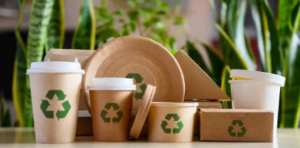
Plant-based packaging is a sustainable alternative to traditional plastics. Using plant-based materials reduces waste and carbon emissions. It also helps to create a regenerative circular economy.

Using plant-based packaging can boost brand image and attract environmentally conscious consumers. It can also help brands remain compliant with regulatory authorities. For more information about the plant-based packaging benefits, click here.

Unlike traditional plastics, plant-based products break down into microorganisms and return to the soil, where they belong. They can also be recycled.

Eco-friendly

plant-based packagingPlant-based packaging is a sustainable alternative to traditional plastic bags. It is biodegradable and compostable, reducing the world’s dependence on fossil fuels and GHG emissions. It also reduces the amount of waste in landfills and oceans. It can be made from various renewable biological sources, including cellulose film packaging, corn starch, potato films, and seaweed.


Choosing plant-based products and packaging is a great way to align your brand with eco-conscious consumers. It reduces your ecological footprint and signals a shift to a circular economy prioritising natural resources. It also promotes responsible sourcing and certifications, making it a more credible brand choice for your customers.

Biodegradable

Unlike traditional plastic packaging, plant-based packaging is biodegradable and can be composted. It also does not require fossil fuels to manufacture, which is good for the environment. It can package a wide range of products, including beverages and foods. Its versatility makes it a viable option for businesses in multiple industries.

Eco-friendly packaging also appeals to consumers increasingly focused on sustainability and green issues. Its use can improve a brand’s reputation and generate customer loyalty. In addition, it can reduce waste and lower methane emissions.

Moreover, this type of packaging is free from chemicals of concern, such as BPAs and phthalates, so it does not leach into food or drink. It also complies with strict FDA regulations on materials that contain food. These materials must undergo a premarket notification process and pass critical safety points. In addition, they must be free from heavy metals and volatile organic compounds. They must also be tested for their ability to prevent microbial growth and moisture loss.

Compostable

Unlike traditional plastics, plant-based packaging breaks down into organic matter and is entirely harmless to the environment. It reduces waste accumulation, helping combat the global garbage crisis. Additionally, compostable plant-based packaging uses renewable resources and contributes to carbon sequestration. Moreover, it is free of chemicals of concern, such as BPAs and phthalates.

Plant-based packaging is made from various natural biological materials, such as mushrooms, corn starch, and food waste. These materials are harvested and processed to meet functional requirements, including barrier properties, strength, and longevity. Educating consumers about the eco-friendly attributes of plant-based packaging encourages responsible disposal and helps shift to a circular economy. For more information about the plant-based packaging benefits, click here.

The best way to educate consumers is through clear labelling and transparency. This way, consumers can make informed decisions about their purchasing and disposal habits. Moreover, these packaging materials can also protect products and maintain freshness while enduring shipping. That makes them ideal for beverages and other consumer packaged goods.

Recyclable

As consumers become more aware of the ecological repercussions of conventional plastic packaging, companies are increasingly turning to plant-based alternatives. This shift is a response to growing consumer demand for eco-friendly products and a desire to support the development of a sustainable economy.

Unlike their fossil-fuel counterparts, plant-based materials leave a lower carbon footprint throughout their lifecycle. In addition, they require fewer chemicals during production. As a result, they reduce greenhouse gas emissions and align with global climate goals.

In addition, plant-based packaging is made from renewable natural resources. It is also compostable. It is particularly important in the restaurant industry, where disposable plates and utensils are often landfill waste. Compostable packaging can help reduce this waste and the risk of food contamination.

Using plant-based materials in product packaging is a growing trend, driven by the need for more sustainable options and stricter government regulations on plastic waste. These alternatives are crafted from renewable sources such as sugarcane, cornstarch, and food crops. They can be made into flexible film, paper, and other packaging products to replace traditional plastics.