In Australia’s modern agricultural landscape, silage plays a vital role in feeding livestock, particularly during off-seasons when fresh forage isn’t readily available. However, the quality of your silage depends heavily on how well it’s preserved, and that’s where the importance of using very durable silage plastic comes in. While it may seem like just another item on your farming checklist, the choice of silage plastic can have a significant impact on feed quality, reduce spoilage, and ultimately improve farm profitability.
What Is Silage Plastic?
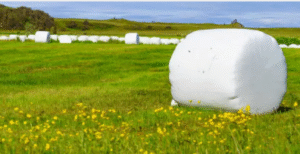 Silage plastic is a specially designed film used to wrap or cover forage crops, such as grass, corn, or alfalfa. Its primary purpose is to seal the forage from air and moisture, creating anaerobic conditions necessary for fermentation. This process preserves the nutritional value of the feed for extended periods. However, not all silage plastics are created equal—some degrade faster or are prone to tearing, compromising the entire storage system.
That’s why investing in very durable silage plastic is more than just a smart choice—it’s a necessity for farmers who aim to deliver consistent, high-quality feed throughout the year.
The Link Between Durability and Feed Quality
Silage that’s exposed to air due to tears, holes, or poor seals can quickly become mouldy and lose its nutritional integrity. Oxygen is the enemy of silage fermentation. Once air gets in, spoilage organisms like yeasts and moulds take over, breaking down valuable nutrients and producing toxins that can harm livestock.
A durable silage plastic creates an airtight barrier that protects against punctures, stretching, and environmental damage. This robust sealing ensures optimal fermentation conditions are maintained from the moment of wrapping until the silage is used.
Benefits of Using Very Durable Silage Plastic
1. Reduced Spoilage and Waste
Low-quality or thin silage plastic can easily tear during handling, especially with sharp stems or under rough weather conditions. Durable silage plastic resists these hazards, significantly reducing the risk of spoilage. It means less feed goes to waste and more goes into feeding your animals.
2. Better Nutritional Retention
High-quality silage plastic helps preserve the original nutritional value of your forage by maintaining anaerobic conditions, thereby protecting the original nutritional value of your forage. With better preservation of protein, energy, and fibre levels, your livestock receives higher-quality feed, resulting in improved productivity and overall health.
3. Lower Long-Term Costs
While very durable silage plastic may cost more upfront, it pays off by reducing losses, extending storage life, and improving feed conversion rates in livestock. You’ll also spend less time and money dealing with repairs, rewrapping, or replacing spoiled bales.
4. Enhanced UV and Weather Resistance
Durability doesn’t just mean resistance to tearing. The best silage plastics are UV-stabilised to withstand months of outdoor exposure. Whether it’s scorching sun, heavy rain, or freezing temperatures, very durable silage plastic continues to perform without breaking down or losing integrity.
5. Improved Farm Efficiency
Fewer repairs, reduced spoilage, and easier handling lead to a more streamlined silage process. When you can trust your wrap to hold up under pressure, you can focus your energy on other important farming tasks.
Features to Look for in Very Durable Silage Plastic
When choosing silage plastic, it’s essential to consider several key features that contribute to its durability:
- Thickness (micron rating): A higher micron rating generally means stronger protection.
- Multi-layered film: Multi-layer plastics provide better resistance to punctures and oxygen transmission.
- High oxygen barrier: Ensures minimal air penetration.
- UV stability: Protects the plastic from sun degradation.
- Tear and puncture resistance: Essential for handling and stacking bales.
Choosing the Right Supplier
Not all suppliers offer the same quality of silage plastic. Look for trusted brands with proven performance and customer testimonials. Some suppliers also provide technical support and guidance to help farmers choose the right product based on their specific needs, such as bale type, crop variety, or climate.
Conclusion
Silage is a cornerstone of efficient livestock farming, and the quality of your feed starts with how well it’s preserved. Choosing durable silage plastic isn’t just about convenience—it’s a strategic decision that directly impacts feed quality, livestock health, and farm profitability.
By investing in high-quality, durable silage wrap, you protect your forage, minimise waste, and ensure your animals receive the best possible nutrition. In the long run, this simple choice can make a significant difference to your bottom line and the sustainability of your agricultural operations.